26 Aug 2026
UK Player Patterns in Accessing Tiered Free Rotation Rewards Through Minimal Pound Entries on Progressive Networks
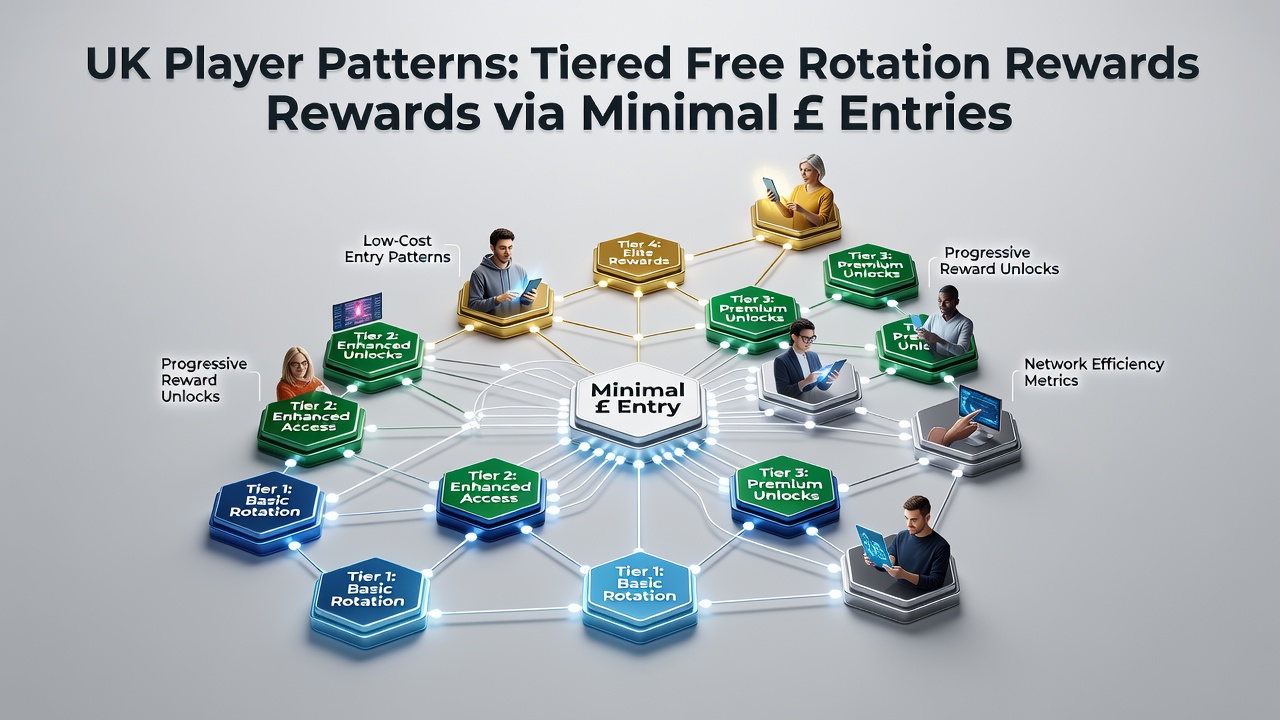
UK players demonstrate distinct approaches when navigating tiered free rotation rewards on progressive networks, where minimal pound entries often serve as entry points to layered bonus structures that escalate with continued participation, and data from industry tracking services shows consistent patterns across multiple operator platforms during the first half of 2026.
Progressive Network Mechanics and Entry Thresholds
Progressive networks link multiple games across operators so that jackpot contributions accumulate from every qualifying spin, while free rotation rewards appear in tiers that unlock after specific volume thresholds or stake combinations, and players frequently test these systems with entries as low as one pound to map out the progression ladder before committing larger amounts. Observers note that this low-stake exploration allows individuals to observe how each tier delivers additional spins or multipliers without immediate financial exposure, and network operators configure these tiers so that cumulative play from many small entries contributes toward the same progressive pools that higher-stake participants access.
Observed Access Patterns Among UK Participants
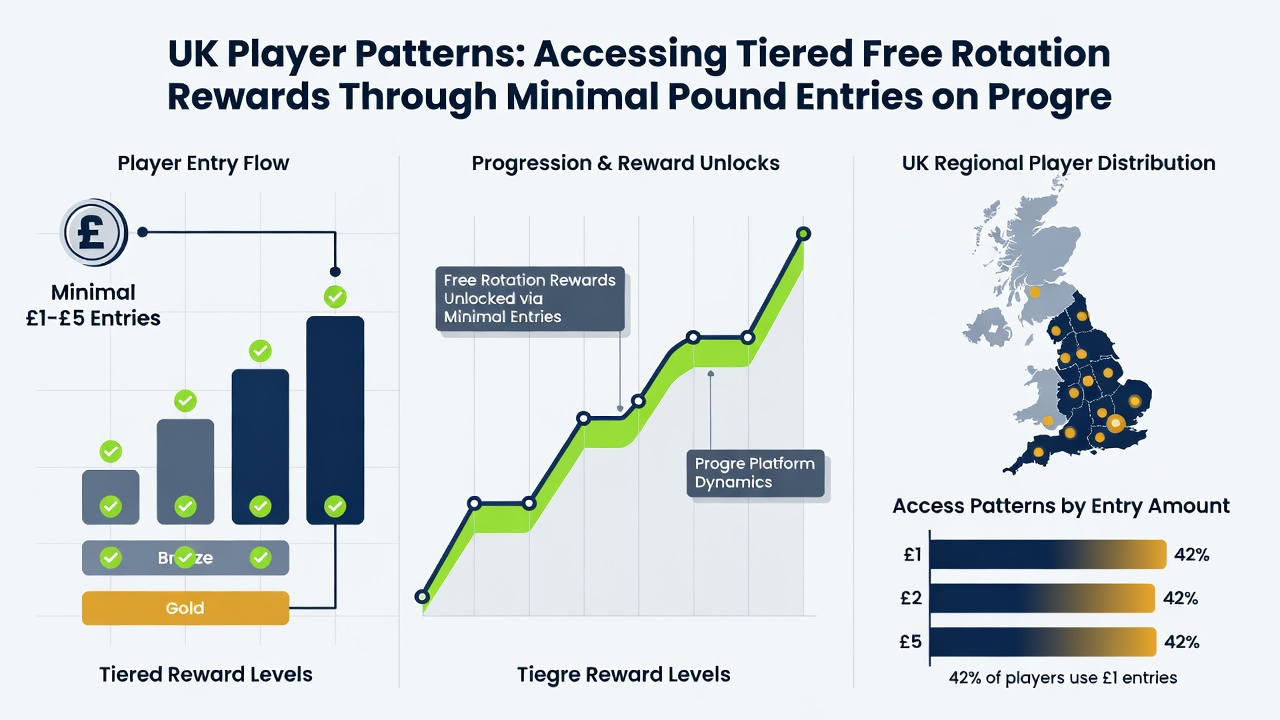
Research indicates that UK participants tend to cluster their minimal entries during promotional windows when operators boost the visibility of free rotation tiers, and figures from platform analytics reveal repeated logins over short periods rather than single extended sessions, which spreads risk while accumulating the play volume needed for tier advancement. Those who study these behaviours report that many users switch between different progressive titles within the same network to identify which games convert small stakes into faster tier progression, and this cross-game movement creates traceable footprints that show higher engagement with titles offering denser bonus triggers at the lowest denomination levels.
One analysis of session data from early 2026 highlighted that a significant portion of minimal-pound activity occurs between 8pm and midnight on weekdays, aligning with peak leisure hours when players can monitor multiple accounts or devices simultaneously, and the same analysis found that users who reach the second or third reward tier within the first week often maintain lower average stake sizes across subsequent visits.
Regional Comparisons and External Data Sources
Comparisons with markets outside the UK provide additional context, and reports from the Gambling Research Exchange Ontario note similar low-entry testing behaviours among Canadian players on linked progressive systems, while a separate study published by the Victorian Responsible Gambling Foundation in Australia documented comparable tier-unlocking sequences when participants begin with the smallest permitted stakes. These international observations help frame UK patterns as part of broader industry trends rather than isolated regional habits, and the data underscores how network architecture influences entry behaviour across different regulatory environments.
August 2026 Trends and Platform Adjustments
As of August 2026, several progressive networks introduced minor adjustments to tier thresholds that affected how quickly minimal-pound entries accumulate toward free rotations, and tracking services recorded a measurable uptick in session frequency immediately following these changes, suggesting that players recalibrated their strategies within days of the updates. Platform logs from that period also show increased movement between games that retained the most favourable conversion rates from one-pound stakes, while titles with slower progression saw reduced traffic at the lowest entry level.
Conclusion
Patterns in UK player access to tiered free rotation rewards through minimal pound entries on progressive networks reflect deliberate, data-informed approaches that prioritise volume accumulation and cross-title exploration, and ongoing monitoring by analytics providers continues to map how these behaviours evolve alongside network configuration changes. The combination of low-stake testing, timed engagement, and international parallels offers a clear view of how participants interact with these systems without requiring subjective interpretation of intent or preference.